
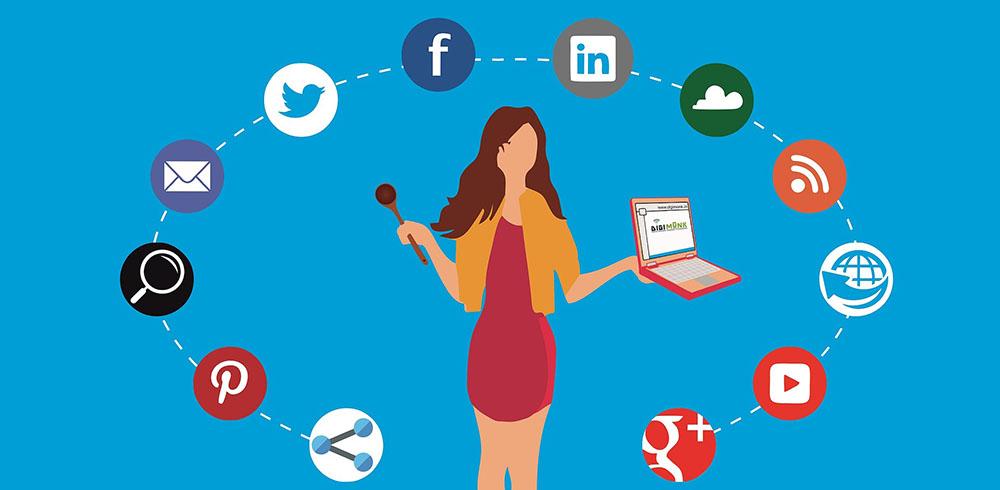
Scopes in digital media have transformed the way people consume and interact with information, entertainment, and advertising. From social media platforms to streaming services in digital media, it has expanded a lot, which is possible in terms of content creation, distribution, and consumption. Scopes in digital media can be both a blessing and a curse, presenting new opportunities and challenges for creators, marketers, and consumers alike.
How are Scopes in Digital Media Helpful?
Scope refers to the range of topics, themes, and styles that digital media demands. On one hand, the scope in digital media is virtually limitless, with everything from news and politics to music and gaming. With the rise of user-generated content and the publicity of media production tools, individuals have more opportunities than ever to express themselves and share their ideas with the world.
However, this vast scope also presents challenges for creators and marketers. With so much content competing for attention, it can be difficult to stand out and build an audience. Moreover, the algorithms that govern social media platforms and search engines can be unpredictable, making it difficult to predict which types of content will gain attention and which will fall flat.
Strategies for Scopes in Digital Media
One strategy that many digital media creators and marketers use to navigate the Scopes of digital media to focus on a niche or a specific topic. By narrowing their focus, they can target a specific audience and build a loyal following. For example, a YouTuber who creates videos about a specific video game may have a smaller audience than a more general gaming channel, but that audience is likely to be more engaged and more likely to support the creator.
Another challenge of the Scopes of digital media is the potential for misinformation and propaganda. With so much content being created and shared every day, it can be difficult for users to distinguish between reliable and unreliable sources. Social media platforms and search engines have taken steps to deny misinformation, such as by labeling false information and promoting fact-checking; these efforts are not foolproof.
Digital media refers to all forms of media that are created, stored, and distributed electronically. This includes everything from social media and websites to videos, podcasts, and mobile applications. Digital media has transformed the way we communicate, consume information, and entertain ourselves. In this article, we have explored the history, types, and impact of digital media.
History of the available Scopes in Digital Media
The history of digital media can be traced back to the 1940s when computers were first invented. The earliest forms of digital media were created for military and scientific purposes. In the 1960s, the internet was invented, and this marked a significant milestone in the history of digital media. The invention of the World Wide Web in 1989 made digital media accessible to the general public, and it has since grown constantly.
Types and Available Scopes in Digital Media
Digital media can be broadly classified into two types: static and dynamic. Static digital media includes images, graphics, and text that do not change. Dynamic digital media includes videos, animations, and interactive content that change and respond to user input.
Social media is a popular form of dynamic digital media that allows users to connect and share content with others. Social media platforms such as Facebook, X, and Instagram have become an integral part of our daily lives. Social media has transformed the way we interact with each other and has provided a platform for businesses to connect with their customers.
Video and audio content are also popular forms of digital media. Streaming services such as Netflix, Amazon Prime, and Spotify have become popular among consumers who prefer to consume digital media on-demand. Podcasts have also gained popularity as a form of digital media, allowing individuals and organizations to share their ideas and stories with a global audience.
Impact of Digital Media: Digital media has had a profound impact on society, culture, and the economy. It has transformed the way we communicate, consume information, and entertain ourselves. Digital media has also revolutionized industries such as journalism, advertising, and entertainment.
Digital media has provided individuals with a platform to express their views and ideas. It has given a voice to many communities and has facilitated social change. Digital media has also provided businesses with an opportunity to reach a global audience, promote their brand, and increase sales.
Digital media has also brought challenges such as the spread of misinformation and fake news. The rapid spread of information through social media has made it difficult to verify the authenticity of news stories. Digital media has also raised concerns about privacy and data security. The collection and use of personal data by social media companies have raised concerns about privacy and data protection.
Conclusion
Digital media has transformed the way we communicate, consume information, and entertain ourselves. It has provided individuals and businesses with a platform to express their views and promote brands. Scopes of digital media has also raised challenges such as the spread of misinformation and concerns about privacy and data security. As digital media continues to evolve, it will be important to address these challenges and surf the opportunities provided by digital media to create a better future for all.
Your writing style makes complex ideas so easy to digest.
You bring a fresh voice to a well-covered topic.
I love how practical and realistic your tips are.
You have a real gift for explaining things.
Reddit communities share tips, mods, and creations.
Access full content ???