
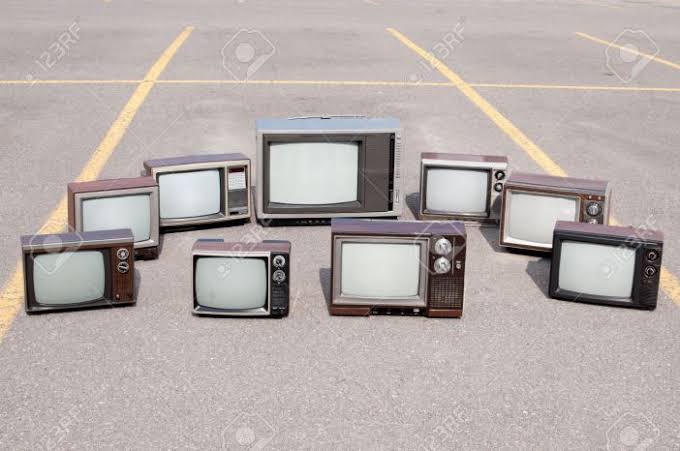
Among different roles of television, it is a medium of Indian media that has deeply enhanced the country’s social, political, cultural, and economic life. In India, the journey of television began with the objective of public service and has now expanded to keep hundreds of channels dedicated to news, entertainment, sports, education, and regional content.
The greatest feature of television is that it utilizes both visual and audio mediums at once. Therefore, it is simple to reach an event, idea, or message to the audience effectively. Despite the rapid expansion of the internet and social media, television adds a new concept to Indian media. According to different roles of television, it is a powerful medium for news and information, especially in rural areas and small towns. The five key roles of television in the Indian media can be understood easily.
Different Roles of Television Provide Relevant Information and News
The most important roles of television are spreading news and information to the public. Information regarding political, social, economic, sports, and other significant events occurring across the country and the world reaches people through television news channels. A distinctive feature of television is not only to read out the news; instead, it presents events to the audience through on-site visuals, videos, live reporting, expert opinions, and media professional reports.
For instance, live coverage during elections, natural disasters, significant political events, or major sporting events serves to connect viewers directly with the running events. Thus, television plays a significant role in keeping citizens informed about developments in their immediate surroundings as well as across the country and the world.
Some Important Roles of Television are Spreading Education and Public Awareness
Television is not only a medium for entertainment and news; it is also an effective tool for education and public awareness. In a grand and equality-based country like India, roles of television can be used to disseminate information regarding health, sanitation, the environment, agriculture, women’s empowerment, education, and government schemes to huge people.
Television enhances people’s knowledge through educational programs, documentaries, expert discussions, and informative shows. In village areas, agriculture-related programs have proven useful in providing farmers with information about new techniques, weather conditions, crops, and government schemes.
Furthermore, public awareness campaigns broadcast on television from time to time have served to sensitize people to social issues. In this regard, television is a significant medium for spreading awareness in society.
The Key Roles of Television are Entertainment and Cultural Connection
Television is one of the most popular forms of entertainment. Serials, movies, reality shows, comedy programs, musical events, sports broadcasts, and various other entertainment programs provide entertainment to the audience.
India is a multilingual and multicultural country. Television has played a significant role in bringing the country’s diverse languages, traditions, folk arts, and cultural characteristics to a wide audience. Regional channels have played a special role in popularizing local languages and cultures.
At the same time, different roles of television have been served as a medium of shared entertainment for families and society. However, since entertainment programs can have both positive and negative impacts on society, social responsibility is essential regarding their content and presentation.
Key Roles of Television are Democracy and to Shape Public Opinion
Television is a powerful medium for shaping public opinion in a democratic society. Discussions, interviews, political debates, and expert opinions on news channels provide people with the opportunity to understand various issues.
During elections, the activities of political parties, election issues, and speeches by leaders are narrated to the public on a large scale through different roles of television. This enables voters to gain information about various political issues.
However, this power to shape public opinion also brings a great responsibility for the media. It is essential to maintain factual accuracy, impartiality, and balance in the news. If news is presented in a top and fast way, the main priority would be given to one side; it can influence the audience’s opinion. Therefore, media ethics and the fundamental principles of journalism are essential in television journalism.
The Unavoidable Roles of Television are Social Change and Unity
Television also plays a specific role in bringing about social change and adding sense among different sections of society. Programs, documentaries, news reports, and discussions based on social issues inspire people to reflect on important matters.
The priority given to roles of television is based on different issues such as child marriage, dowry, gender inequality, education, women’s rights, environmental conservation, and social discrimination, which has led to increased public discussion on these topics.
Furthermore, television showcases India’s different culture on a single platform. By observing the sentiments of different states, languages, and communities, people from various parts of the countries can understand each other’s lives and traditions. Thus, television also contributes to national unity and social connectivity.
Conclusion
The roles of television in the Indian media are not limited to news and entertainment. It serves as a vital medium for delivering information, spreading education, providing entertainment, shaping democratic opinion, and fixing social change and equality.
While the growing impact of digital and social media has certainly raised new challenges for television, its vast reach, visual effect, and capacity for live broadcasting ensure that it remains relevant today. Television’s future success will depend on how it upgrades the technology and the changing needs of the audience.
Responsible television media not only provides information and entertainment to viewers but can also make a significant contribution to shaping them into informed citizens and steering society in a positive direction.
Nice perspective on the topic. You may find Pixwit useful — . Pixwit
Really helpful post. If you need accurate audio-to-text with Smart or Verbatim mode, check out Gem Transcribe at . Gem Transcribe